

Fence installation in New City, NY requires you to weigh durability, cost-effective options, and local permits; you must address security needs while mitigating installation hazards to protect property and comply with codes.
Key Takeaways:
- Residential installations prioritize cost, corrosion resistance, and curb appeal; galvanized or vinyl-coated chain link with privacy slats adapts to yards and sloped terrain while complying with New City and HOA regulations.
- Commercial projects use heavier-gauge mesh, taller posts, and reinforced anchoring for long-term performance around parking lots, storage yards, and loading areas, with options for vehicle gates and access control.
- Security options include upgraded mesh gauge, taller heights, barbed or razor wire, privacy slats, and professional installation to ensure proper post set, tensioning, and compliance with Rockland County codes and permit requirements.
Advantages of Chain Link Fencing for New York Properties
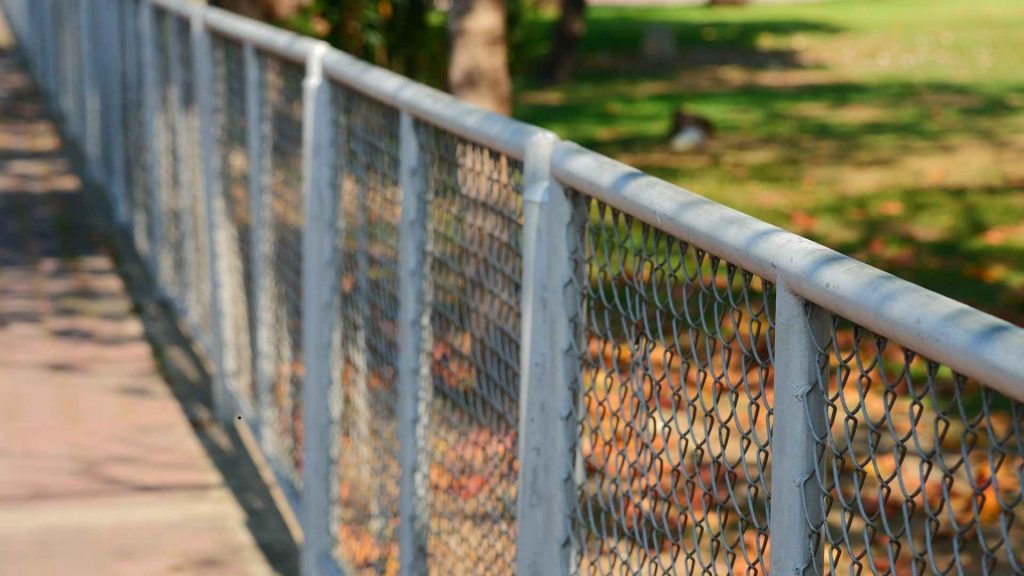
You gain cost-effective, low-maintenance fencing that balances visibility and security for New City properties, with durable galvanized or PVC-coated options suited to both residential and commercial needs.
Weather Resistance and Structural Durability
Galvanized and PVC coatings protect steel from salt, snow, and rain so you avoid rust and structural failure; corrosion resistance extends service life in New York climates.
Long-Term Cost Efficiency and Low Maintenance
Choosing chain link saves you on upfront materials and ongoing care, as minimal painting and simple repairs keep lifetime costs low for both homes and businesses.
Maintenance stays simple: you remove debris, tighten fittings, and patch panels; coated finishes minimize repainting and corrosion, reducing labor, downtime, and replacement expenses across decades.
Residential Chain Link Applications
Homes often use chain link for yard boundaries, pool enclosures, and play areas; you gain durability and affordability, but inspect for sharp edges or loose posts to prevent injury or pet escapes.
Aesthetic Upgrades: Vinyl Coating and Privacy Slats
Vinyl coatings add color and corrosion resistance, while privacy slats increase screening; you improve curb appeal and reduce visibility, but avoid overloading panels-poorly installed slats can cause post strain in high winds.
Enhancing Backyard Security and Pet Containment
Protect your yard with taller panels, locked gates, and anti-dig aprons; you can add tension wire and self-closing hinges for enhanced security, keeping children and pets safely contained.
You should match fence height and mesh gauge to the threat level-4′ works for general yards, 6′ or higher deters intruders and agile dogs. Install a buried apron or concrete footer to prevent digging escapes, and choose coated finishes for corrosion resistance. Add gate locks, self-closing hardware, and inspect connections regularly; avoid sharp cut ends and consider professional fastening to reduce injury risk.
Commercial Grade Fencing Solutions
Commercial-grade fencing gives you heavy-duty protection for high-traffic sites, with options for taller mesh and anti-climb features; consult How to Install a Chain Link Fence: A Professional Guide to match materials and installation to your security needs.
Industrial-Strength Galvanized Steel Frameworks
Galvanized steel posts and rails give you corrosion-resistant, long-lasting support for heavy chain link panels, ideal when you need durable infrastructure that withstands weather and constant use.
Securing Warehouses and Business Perimeters
Warehouses benefit when you combine chain link fencing with barbed wire and access control, giving you a visible deterrent and controlled entry points to reduce theft and unauthorized access.
You can specify fence heights from 8 to 12 feet, add anti-climb topping, install secured gate systems with keypads or card readers, and integrate cameras and alarms; choose galvanized or vinyl-coated mesh for corrosion protection and set concrete-anchored posts to meet wind-load and liability standards.
High-Security Features and Customizations
Security customizations let you configure chain link fences with anti-climb toppers, added height, and barbed or razor wire to deter intruders while meeting local codes.
Anti-Climb Mesh and Topper Extensions
Mesh barriers and toppers prevent footholds, so you can add anti-climb mesh or angled toppers to increase height and deny access without excessive visual impact.
Integration of Barbed and Razor Wire Systems
Barbed or razor wire mounted above the fence gives you high deterrence, yet requires proper mounting, clear signage, and compliance with local permit and safety rules to reduce accident risk.
Installing razor or barbed wire demands planning: you must map property lines, confirm height limits, and research local ordinances. Hire professionals to fit secure brackets, weatherproof fasteners, and protective spacers that lower your serious injury risk. Maintain regular inspections and post clear warning signs so you remain compliant.
Regulatory Compliance in New City and Rockland County
Local rules in New City and Rockland County require you to confirm fence setbacks, easements, and height limits before installation to avoid fines or mandated removals.
Understanding Local Zoning and Height Ordinances
Zoning ordinances tell you where fences are allowed, specify maximum heights per zone, and may restrict materials near streets or waterways.
Navigating the Permit and Inspection Process
Permits often require submitted plans, fees, and proof of property lines; failing to secure them can trigger stop-work orders.
You should contact New City’s Building Department early, submit a site plan showing property lines and fence details, and pay the required permit fees. Inspectors typically verify post depth, anchoring, setbacks, and utility clearances during rough and final checks; failing an inspection can mean corrections, fines, or removal. You can hire a licensed installer to speed approval and reduce rework.
Professional Installation Standards
You should expect installers to follow local codes, use galvanized or coated materials, and verify fence alignment, height, and gate operation so your fence meets warranty and safety standards.
Precision Site Assessment and Post Setting
Measure the slope and mark buried utilities so you set posts to correct depth; uneven posts cause sagging and shorten fence life.
Proper Fabric Tensioning and Hardware Selection
Tension the fabric evenly and select corrosion-resistant hardware so you avoid loose panels; over-tensioning can warp posts or damage fittings.
Inspect the tensioning sequence closely: you should anchor one end, run a tension bar through the mesh, then use a come-along or ratchet to draw fabric taut while checking fence lines. Use galvanized or stainless hardware and proper tension bands; avoid pulling until posts bend, since over-tensioning risks structural failure and injury.
Final Words
When you’re considering chain link fence installation in New City, NY, the goal isn’t just affordability — it’s dependable protection that meets local codes and stands up to Rockland County weather. From galvanized residential fencing to heavy-duty commercial and security-grade systems, chain link offers a versatile solution that balances visibility, durability, and long-term value.
The difference between a fence that lasts decades and one that sags within a few seasons comes down to proper post depth, correct tensioning, corrosion-resistant materials, and full compliance with Clarkstown permitting requirements. Whether you’re enclosing a backyard, securing a business perimeter, or upgrading site security with taller panels and controlled-access gates, professional installation ensures your fence performs as intended.
At Quality Fence, Inc., we provide expert chain link fence installation in New City and throughout Rockland County, handling layout, utility marking, permitting, and structural anchoring with precision. As a trusted New City fence contractor, we tailor residential, commercial, and high-security chain link systems to your specific property needs — delivering clean lines, strong foundations, and code-compliant results.
If you’re ready to invest in a durable, cost-effective fencing solution, trust Quality Fence, Inc. for professional chain link fence installation in New City, NY built for security, longevity, and peace of mind.
FAQ
Q: What chain link fence options are available in New City, NY for residential, commercial, and high-security needs?
A: Residential properties in New City commonly use 3- to 6-foot chain link fences for yard containment and pet safety. Vinyl-coated (PVC) and galvanized finishes protect against snow, road salt, and humidity while improving appearance. Privacy slats or full privacy inserts reduce visibility and wind exposure for yards and pools. Commercial installations typically specify heavier 6- to 12-foot fabric, thicker gauge wire, stronger terminal posts, and concrete footings to meet business and liability requirements. Security-focused options include taller heights, anti-climb knuckles, barbed wire or razor ribbon toppings, ballistic or welded mesh panels, and upgraded locking or automated gates. Contractors should recommend gauge and coating based on site exposure, expected traffic, and local environmental factors.
Q: Do I need permits or approvals in New City, and how do property lines or HOAs affect installation?
A: Local permits and setback rules in New City are administered by the Town of Clarkstown and Rockland County, so confirm requirements with the building department before work begins. Homeowners associations or deed restrictions may impose design, color, and height rules and frequently require written approval prior to installation. A professional property survey clarifies the legal boundary and helps avoid encroachment disputes with neighbors or public right-of-way. State utility-locate rules require calling 811 to mark underground lines before digging post holes. Many contractors will pull permits and schedule inspections for you, but homeowners should verify permits are filed and inspections completed to avoid fines or removal orders.
Q: What does the installation process, timeline, cost range, and maintenance look like, and how should I choose a contractor in New City?
A: Typical installation steps include a site visit and measurements, marking lines and utilities, post-hole excavation, setting and concreting posts, stretching and fastening the mesh, and installing gates and hardware. Most average residential jobs finish in one to three days; larger commercial or security projects can take several days to weeks depending on terrain, permit timelines, and complexity. Price factors include linear footage, fence height, wire gauge, coating (galvanized versus vinyl-coated), number and type of gates, site access, and slope-request itemized estimates for accurate comparison. Routine maintenance includes clearing vegetation, checking and tightening rails and fasteners, lubricating gate hardware, and treating surface rust promptly. Choose a licensed, insured local contractor who provides written estimates, references and photos of similar projects, clear warranty terms, and who will obtain required permits and utility locates on your behalf.