

You need a wood fence that balances privacy and Rockland County weather demands. Pressure-treated pine offers longer life and lower cost; cedar provides natural rot and insect resistance and superior appearance; moisture, freeze‑thaw cycles, and storms are the main threats to longevity.
Key Takeaways:
- Privacy fences in New City typically use 6-foot solid board or board-on-board construction; tight boards and properly set posts minimize gaps and maintain screening through wind, snow, and freeze-thaw cycles.
- Material choice matters: pressure-treated pine offers lower upfront cost and chemical rot resistance, cedar provides natural rot and insect resistance plus better aesthetics but costs more; use pressure-treated posts and galvanized or stainless fasteners regardless of board choice.
- Longevity in Rockland County depends on proper installation and maintenance: set posts below the local frost line (verify county code), use concrete footings, ensure drainage, and reseal or restain every 2-3 years to reach 15-20+ years of service.
Selecting the Ideal Wood Species for New York Climates
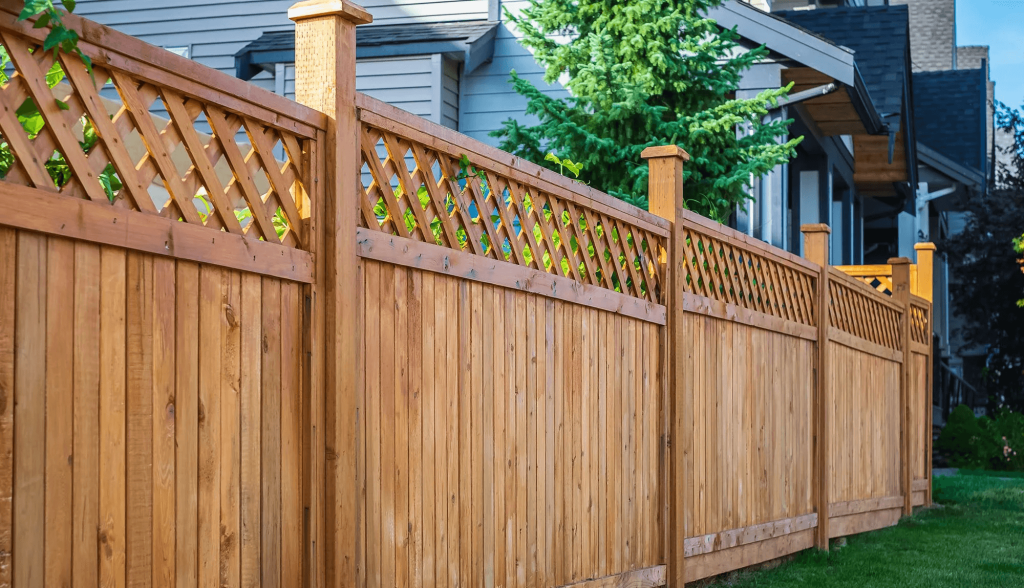
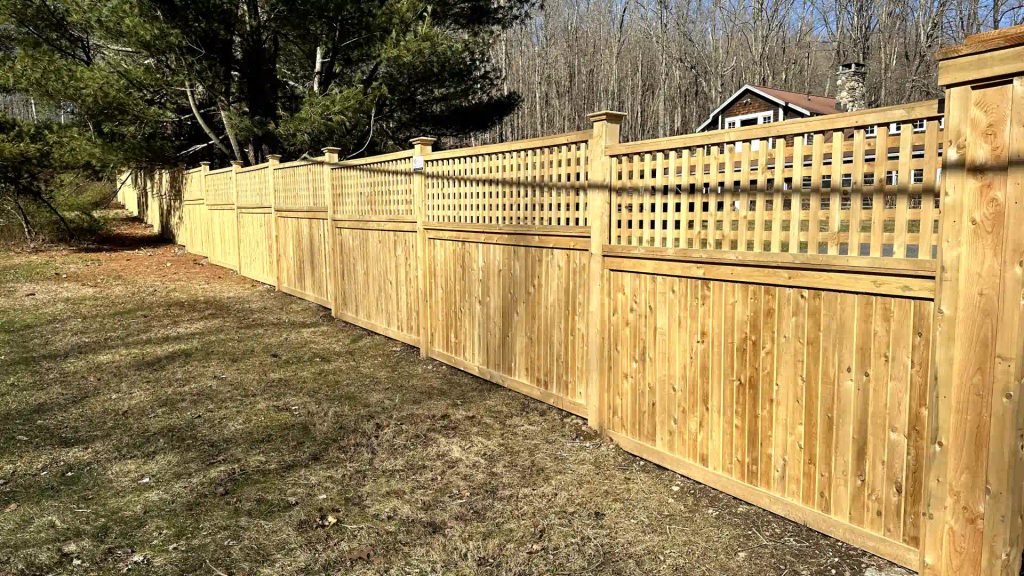

Choose wood species that handle New York freeze-thaw cycles, humidity, and salt exposure; you should weigh maintenance, appearance, and budget. Pressure-treated lumber offers affordability and rot resistance, while Western Red Cedar provides natural decay resistance and classic appearance to meet your privacy and longevity goals.
Performance and Durability of Pressure-Treated Lumber
Pressure-treated lumber resists rot, insects, and ground contact decay when properly installed; you get longer service life at lower upfront cost, though chemical treatment requires protective handling and periodic inspection.
Natural Aesthetics and Decay Resistance of Western Red Cedar
Cedar’s natural oils and tight grain shed moisture and resist fungal decay, giving you attractive, low-maintenance privacy panels that age to a silver patina if left untreated.
When you choose Western Red Cedar, expect excellent natural decay resistance, insect repellency, and a warm grain that reduces stain frequency; you should plan on sealing every few years to prevent accelerated UV graying and surface checking. With careful detailing, proper fasteners, and routine maintenance, cedar fences can achieve 20-30 years in Rockland County’s freeze-thaw cycles and coastal salt exposure.
Designing for Privacy and Security in New City Neighborhoods
Homes in New City require fences that protect your yard while maintaining street sightlines; you should prioritize privacy where needed, but keep security and neighbor visibility for safety and emergency access.
Structural Styles: Solid Board, Shadowbox, and Board-on-Board
Solid board blocks sight completely, while shadowbox gives you airflow and board-on-board offers maximum privacy plus a finished look; you should match style to security needs and wind exposure.
Adhering to Rockland County Zoning and Height Regulations
Rules in Rockland County restrict fence height, require setbacks, and often mandate permits; you must check local codes to avoid penalties or forced removal.
Before you build, contact the New City/Rockland County building department and your HOA, confirm fence height limits near roads and corner sight triangles, get a survey to mark property lines, and pull required permits so you avoid boundary disputes and fines.
Environmental Challenges: Rockland County Weather Impacts
Rockland’s variable seasons test fences; you should expect freeze-thaw cycles, heavy rain, and occasional ice storms to stress posts, rails, and fasteners without proper design and maintenance.
Managing Seasonal Freeze-Thaw Cycles and Soil Heaving
When you set posts, place them below the frost line with concrete footings and drainage rock to minimize soil heave and prevent leaning or post failure over winter.
Mitigating Humidity and Moisture Retention in Local Wood Fencing
High humidity causes prolonged wood saturation, so you should choose properly graded cedar or pressure-treated lumber, provide airflow, and apply breathable sealers to reduce rot risk.
You should direct surface water away from the fence, use gravel-sleeved post holes, and install stainless-steel or hot-dipped galvanized fasteners to avoid corrosion; treat end grain at installation, keep a 1-2 inch clearance from soil, and plan resealing every 2-4 years to significantly extend lifespan in Rockland’s moist conditions.
Professional Installation Standards for Maximum Stability
Professional installation demands that you set posts with proper anchors, level rails, and bracing so your fence resists Rockland County winds and freeze-thaw cycles. Use concrete footings, correct spacing, and verified corner bracing to achieve maximum stability and meet local code.
Precision Post Setting and Depth for New City Soil Profiles
Soil in New City varies from sandy to clay; you must set posts below the frost line and compact backfill to prevent heaving. Adjust depth for drainage and install gravel bases plus concrete collars where needed for long-term anchoring.
Utilizing High-Quality Fasteners to Prevent Rust and Bleeding
Choose fasteners that resist corrosion-use stainless steel for cedar and hot-dipped galvanized (G185) for pressure-treated lumber to help you avoid rust and tannin staining. Use coated screws for rails and avoid plain steel nails.
Selecting the right hardware determines service life: choose 304 or 316 stainless steel screws for cedar to stop dark tannin stains, and use hot-dipped galvanized (G185) fasteners for standard pressure-treated posts. Avoid electro-galvanized or plain steel that will rust quickly. Prevent galvanic corrosion by not mixing stainless and galvanized in direct contact, and always pre-drill, countersink, and use ring-shank or structural screws rated for exterior loads to maintain joint integrity through freeze-thaw cycles.
Maintenance Strategies to Extend Fence Longevity
Routine inspections, annual sealing, and timely board replacements keep fences lasting longer in Rockland County; consult 4 Privacy Fence Options That Work Well in Westchester … for design tips. You should inspect for rot and loose fasteners after heavy winters and seal exposed faces every 1-3 years.
Optimal Staining and Sealing Schedules for Northeast Exposure
Apply stain and sealer to exposed boards before discoloration sets in; for Northeast exposure, you should recoat sun-facing wood every 1-2 years and shaded areas every 2-3 years, using oil-based, UV-blocking finishes for best protection.
Best Practices for Preventing Ground-Level Rot and Insect Damage
Keep soil and mulch pulled back at least 2-3 inches, set posts on gravel or concrete with drainage, and apply borate or preservative treatments to buried wood to reduce rot and insect entry.
Inspect posts and the soil line annually, probing for soft spots, mud tubes, or frass; if you find damage, replace affected wood and treat surrounding areas. Use metal post anchors or concrete footings with drainage to keep wood above grade, apply borate to fresh cuts, and avoid piling mulch against the fence to limit insect access.
Wood Fence Installation in New City, NY – Privacy, Pressure-Treated vs. Cedar, and Longevity in Rockland County Weather
Investing in a quality wood fence in New City typically returns value at resale and gives you privacy and curb appeal; choosing cedar often yields a higher resale premium, while pressure-treated options lower upfront costs but may need earlier replacement in Rockland County’s weather.
Comparing Long-Term Costs of Cedar vs. Pressure-Treated Pine
Cedar offers you a longer lifespan and lower long-term maintenance, while pressure-treated pine reduces your initial cost but increases replacement risk in Rockland County.
Cost Comparison
| Cedar | Pressure-Treated Pine |
|---|---|
| Higher upfront cost; longer lifespan (15-25+ years) | Lower upfront cost; shorter lifespan (10-15 years) |
| Lower annual maintenance; better resale impact | Higher maintenance and earlier replacement likelihood |
Enhancing Curb Appeal and Property Valuation in New City
Visible wood fencing can increase curb appeal, helping you command a higher sale price and attract buyers faster in New City.
You should select consistent stain, sturdy posts, and professional installation so your fence reads as intentional; a well-maintained cedar fence delivers premium curb appeal, often results in a shorter time on market, and can add measurable value on local appraisals in Rockland County.
Summing up
Choosing the right material for wood fence installation in New City, NY comes down to balancing privacy, budget, and long-term durability. Whether you prefer the lower upfront cost of pressure-treated pine or the natural beauty and stability of cedar, performance in Rockland County ultimately depends on proper installation and ongoing maintenance.
Freeze-thaw cycles, heavy rain, humidity, and winter storms can shorten the life of any fence if posts aren’t set below the frost line or drainage isn’t properly addressed. That’s why professional installation, quality fasteners, and routine sealing make the difference between a fence that lasts 10 years and one that performs for 20+ years.
At Quality Fence, Inc., we specialize in expert wood fence installation in New City and throughout Rockland County, helping homeowners choose between cedar and pressure-treated options based on property layout, privacy needs, and maintenance expectations. From precision post setting and code-compliant height requirements to clean, finished lines that enhance curb appeal, our team builds fences designed for New York weather.
If you’re planning a privacy fence in New City, NY, trust Quality Fence, Inc. to deliver craftsmanship that protects your yard, enhances property value, and stands up to Rockland County’s demanding climate for years to come.
FAQ
Q: How can I maximize privacy with a wood fence in New City, NY, and what local rules affect height and placement?
A: Check local regulations with the Town of Clarkstown Building Department and any homeowners association before planning a fence; many properties allow up to 6 feet in rear and side yards and 4 feet in front yards, but exceptions and permit requirements vary. Measure property lines or obtain a survey to avoid encroaching on easements and to confirm setback requirements. Choose solid designs such as board-on-board, stockade, tongue-and-groove, or close-board styles to eliminate sightlines; add lattice or an extended top only where code permits additional height. Install posts below the frost line with concrete footings to reduce winter heave, and orient boards or use overlapping patterns so wind-driven gaps are minimized. Coordinate with neighboring property owners when the fence sits on or near a shared line to prevent disputes and to share maintenance responsibilities if desired.
Q: Which is better for a New City privacy fence: pressure-treated pine or cedar?
A: Pressure-treated pine provides a lower initial cost and factory-applied preservative that resists rot and insects; expect roughly 15-25 years of service when posts are protected and finishes are maintained. Cedar offers natural rot and insect resistance, greater dimensional stability with less warping and twisting, and an attractive appearance that ages to a silver-gray patina; life expectancy commonly runs 20-30+ years with regular maintenance. Use stainless-steel or hot-dipped galvanized fasteners with either species to reduce corrosion and staining. Finish pressure-treated wood soon after installation to seal cuts and end-grain, and apply a penetrating stain or sealer to cedar to slow moisture uptake and UV damage. Choose pressure-treated when budget and paintability matter; choose cedar when longevity, stability, and a chemical-free material are priorities.
Q: How long will a wood fence last in Rockland County weather and what maintenance extends its life?
A: Typical lifespans depend on species, installation, and maintenance; properly installed and maintained cedar fences often reach 20-30 years, while pressure-treated pine commonly lasts 15-25 years. Heavy snow, freeze-thaw cycles, and prolonged wet conditions accelerate decay at post bases and at rail attachments if drainage is poor. Use pressure-treated posts or concrete footings set below the frost line, grade soil away from the fence, and leave a 1-2 inch clearance between the bottom of the boards and the ground to promote drying. Apply a water-repellent preservative or penetrating semi-transparent stain at installation and reapply every 2-4 years based on exposure; inspect annually for loose fasteners, rot at post and rail ends, and boards that trap moisture. Replace failing posts quickly, tighten or replace corroded hardware, and maintain proper drainage around the fence to maximize service life in Rockland County conditions.